
What Customers Notice When Retail Work Becomes Invisible
Retail has always relied on effort that customers rarely see.
Inventory is reordered overnight. Pricing is adjusted quietly. Displays are reset before doors open. Systems are monitored, staffed, and repaired without fanfare. For years, this invisibility was considered a strength. Smoothness meant success. Frictionless meant professional.
Something has changed.
Today’s customers are far more aware of labor, effort, and constraint. They notice when stores feel understaffed. They notice when associates are stretched thin. They notice when self-service replaces human help without explanation. And they draw conclusions about the brand based on what feels absent as much as what feels present.
Retail is entering a moment where invisible work no longer builds trust. In many cases, it erodes it.
Why Effort Has Become Part of the Experience
Customers are not just buying products. They are reading signals.
They look at how many people are on the floor. They look at how organized the space feels. They notice whether help is offered or avoided. They pay attention to how problems are handled and how long it takes to acknowledge them.
When effort feels hidden or minimized, customers often assume cost-cutting. When effort feels visible and intentional, they assume care.
This matters because modern retail operates under constant tension. Labor is expensive. Automation is expanding. Expectations for speed and availability continue to rise. Brands are making tradeoffs every day about where human presence matters most.
Customers feel the results of those decisions immediately, even if they do not know the details behind them.
The Risk of Over-Optimized Efficiency
Retail has spent years optimizing for efficiency. Fewer staff per square foot. More automation. Leaner schedules. Centralized support.
On paper, these moves make sense. In practice, they often create environments where customers feel unsupported even when systems are technically working.
A store can be clean, stocked, and operational while still feeling empty.
When customers cannot find help easily, they do not blame the staffing model. They blame the brand. They interpret silence as indifference. They interpret absence as neglect.
Efficiency without visible care creates a gap. That gap is where trust weakens.
When Visibility Signals Respect
Some retailers are beginning to understand that visibility itself is a form of service.
This does not mean adding more staff everywhere or undoing years of operational discipline. It means being deliberate about where human presence shows up and how it is framed.
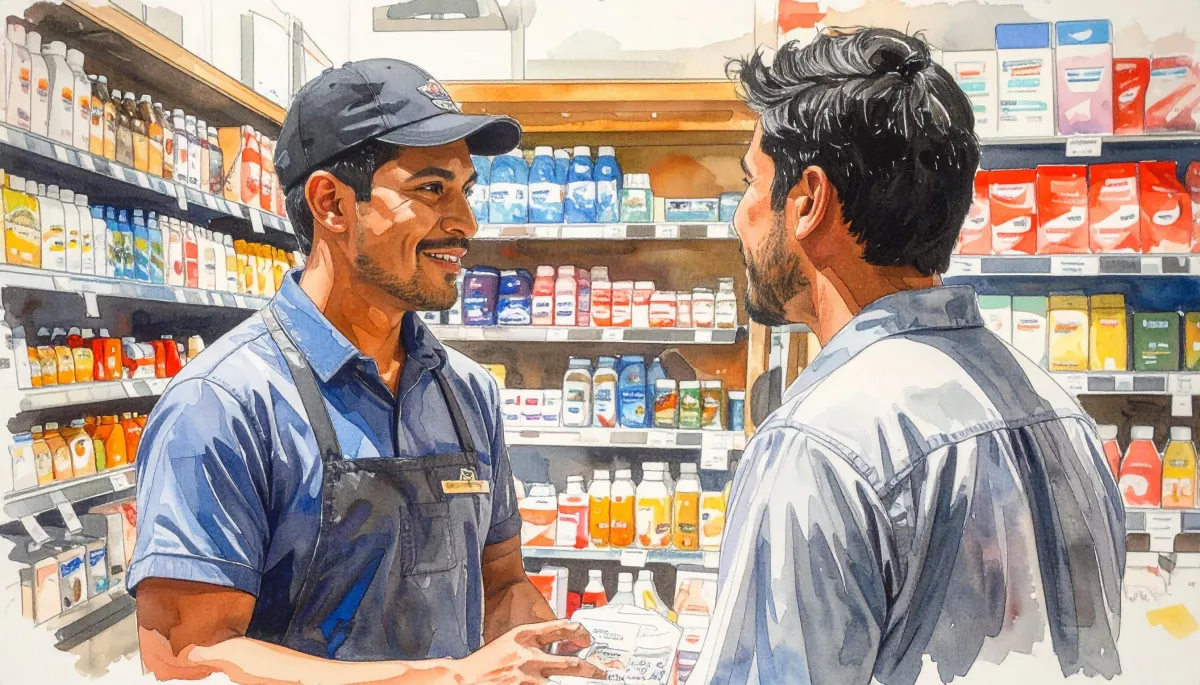
Retailers doing this well are placing associates at decision points rather than task zones. They are making support feel intentional rather than reactive. They are training teams to acknowledge customers even when they cannot immediately help.
A simple greeting communicates availability. A clear explanation communicates respect. A visible process communicates effort.
Customers do not need perfection. They need to feel seen.
Automation Works Best When It Is Explained
Automation is not the enemy. Confusion is.
Self checkout, mobile ordering, digital receipts, and automated fulfillment can all improve experience when customers understand why they exist and how they help them.
Problems arise when automation replaces human interaction without context.
When a customer struggles with a machine and no one is nearby, the issue is not the technology. It is the absence of reassurance. When a chatbot deflects a question without escalation, the frustration comes from feeling dismissed, not delayed.
Retailers who integrate automation successfully pair it with visible support. Staff are present to guide, explain, and intervene. Signage clarifies what systems do and what customers can expect.
Automation that feels supported builds confidence. Automation that feels isolating builds resentment.
Labor Visibility Shapes Price Perception

There is a direct connection between visible effort and how customers perceive price.
When a store feels attentive and well supported, customers are more tolerant of premium pricing. When a store feels thinly staffed or transactional, even reasonable prices can feel unfair.
This is not about guilt or sympathy. It is about perceived value exchange.
Customers subconsciously ask a simple question. What am I getting for what I am paying?
Visible service, visible care, and visible effort all contribute to the answer.
This is why luxury retail invests heavily in staffing and presence. It is why specialty retailers emphasize expertise. It is why even value-focused brands benefit from moments of human connection.
Price does not exist in isolation. It exists inside an experience.
Designing Stores Where Work Is Felt, Not Hidden
The next phase of retail design will not eliminate invisible work. It will balance it.
Smart retailers are finding ways to make effort legible without being theatrical. They allow customers to see restocking happen. They let associates explain processes rather than hide them. They create transparency around wait times and availability.
This does not slow operations. It aligns expectations.
When customers understand what is happening, they are more patient. When they see effort, they are more forgiving. When they feel acknowledged, they are more likely to return.
Retail does not need to expose everything. It needs to expose enough.
A Broader Lesson for Retail Leaders
The question is not whether retail should be efficient. It must be.
The question is whether efficiency should come at the cost of presence.
As brands plan for the next season, many will continue refining systems, reducing friction, and improving margins. The ones that succeed long term will also ask a quieter question.
Where does our work show up for the customer, and where does it disappear?
The answer to that question shapes how the brand feels long after the transaction ends.
A Closing Reflection
Retail is built on effort. The mistake was assuming customers did not need to see it.
In a world where trust is fragile and choice is abundant, visibility has become part of the value proposition. Customers want to know someone is paying attention. They want to feel that care exists beyond the interface.
When work becomes too invisible, retail feels hollow. When effort is felt, even subtly, retail feels human again.
That difference is not cosmetic. It is foundational.


