

December Momentum Now Belongs to the Brands That Feel Easiest to Shop
Walk through any store this month and you’ll notice something that doesn’t show up on a sales dashboard. People are shopping with a different energy. They move slower. They compare more carefully. They pick things up, put them down, circle back, pause, think. December has always been emotional, but 2025 has turned that emotional layer into the actual driver of purchase behavior.
Promotions still matter. Inventory still matters. Convenience still matters. But this year, the deciding factor is something softer: how the experience feels in the moment. Customers are making decisions based on stress levels, mental load, and the quiet desire for a season that feels grounding instead of overwhelming.
This shift is subtle, but it is reshaping how retailers need to show up every single day of December.
The Unspoken Weight Shoppers Carry Into December
By the time customers arrive in stores or online this month, they are already carrying a year’s worth of accumulated strain. Rising prices. Busy schedules. Information overload. A year where every choice felt like a calculation. December doesn’t erase that. It amplifies it.
People are buying gifts, yes. But they are also managing expectations, navigating family dynamics, and trying to create moments that feel meaningful. That emotional backdrop influences how they interpret every friction point.
A long line isn’t just a long line. It’s a reminder of everything else they still have to do.
A confusing promotion isn’t just unclear. It’s one more decision they wish they didn’t have to make.
An out-of-stock item isn’t just unavailable. It feels like a personal setback in a month full of pressure.
This is why brands that feel emotionally easier to shop are outperforming even when their discounts are identical.
Experience Design Is Now Emotional Design
For years, retailers optimized the season for speed and scale. This December, the advantage goes to those who optimize for emotional clarity.
Customers want:
fewer decisions
fewer steps
fewer surprises
fewer reasons to second-guess the brand
The stores winning right now have reorganized their environments around emotional cues. Clean entry zones that slow the pace instead of speeding it up. Clear signage that removes cognitive weight. Fewer display clusters that invite overwhelm. Staff trained to read the room, not just the product questions.
Digital is no different. The most effective online experiences this season are the simplest ones.
Shorter homepages. Fewer pop-ups. Tighter gift guides. Clearer messaging around shipping cutoffs.
Customers interact longer with digital journeys that feel calm. They convert faster when the path feels obvious.
The brands that treat emotion as a design parameter instead of an afterthought are seeing the strongest momentum this month.
The New December Purchase Logic: “Will This Make the Season Easier?”
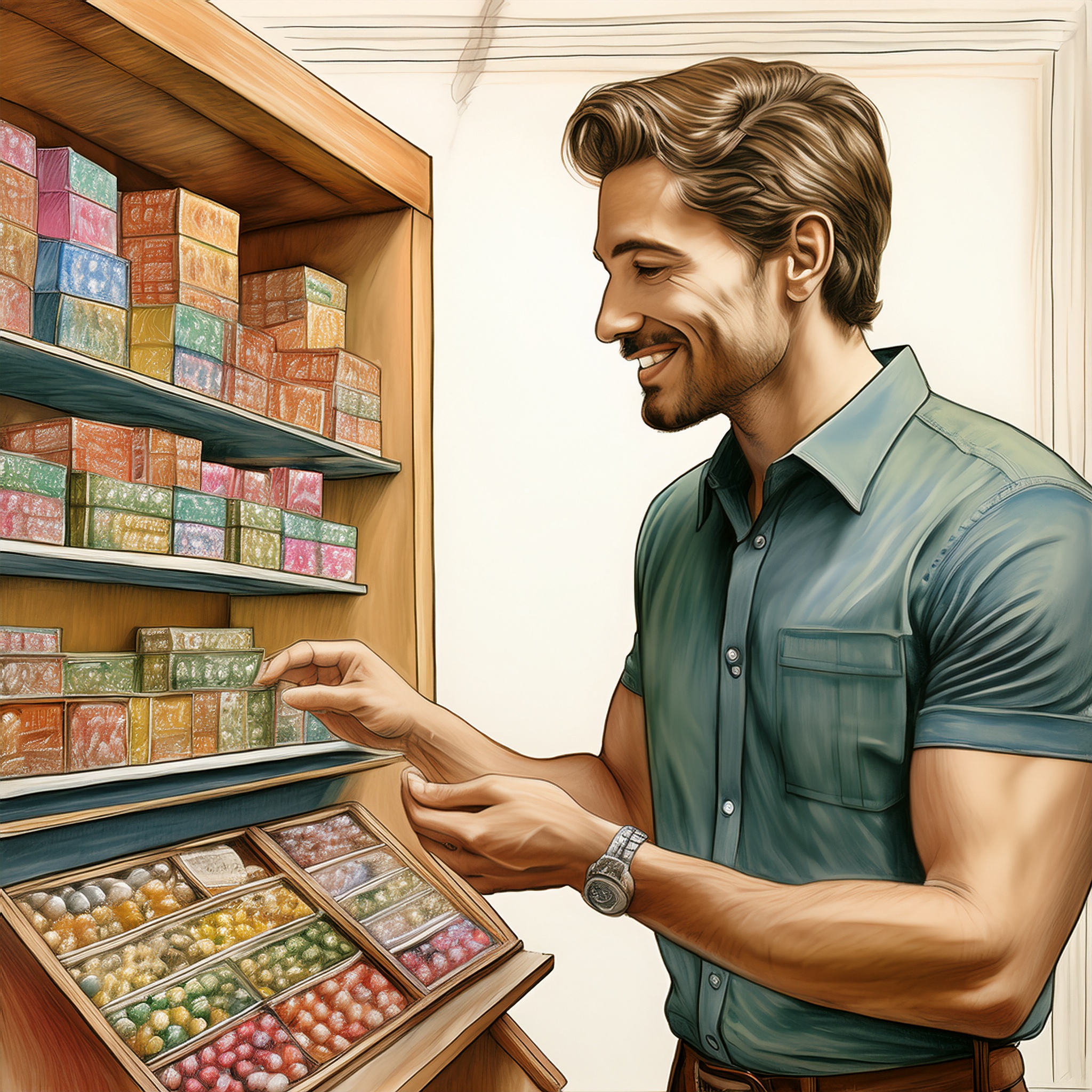
A quiet shift is happening in purchase behavior, and it’s one retailers need to recognize. Customers aren’t just evaluating products. They’re evaluating ease.
A shopper choosing between two scented candles is asking which one will make the gift feel effortless.
A parent comparing toys online is looking for the option that guarantees fewer headaches.
A last-minute buyer picking up click-and-collect wants reassurance that the process won’t add stress to an already tight schedule.
Ease has always mattered. But this December, ease is the product.
This explains why:
curated bundles are outperforming individual SKUs
pre-wrapped gifts are selling through faster than forecast
“what to buy for…” guides are pulling more traffic
reliable fulfillment is beating speed in customer surveys
stores with clear, simple journeys are retaining traffic longer
Customers are choosing brands that make them feel like they can breathe.
The Power of Human Signals in a Digital-Heavy Season
Even with digital shopping at an all-time high, December remains one of the most human moments in retail. Customers want reassurance. They want clarity. They want someone in the aisle who understands what they’re trying to solve, not just what they want to buy.
Human presence has become a strategic differentiator again.
The retailers winning right now are using people intentionally:
staff stationed in high-friction zones instead of scattered evenly
associates who guide shoppers instead of pushing upsells
teams trained to simplify decisions, not add layers
When customers are emotionally overloaded, even small human interactions can change the entire shopping outcome.
What Retail Leaders Should Take Away From This Shift
The biggest lesson of this December is simple: the emotional state of the customer is no longer a variable. It is the context.
Retailers who build their experiences around that context will maintain momentum heading into the final weeks of the season. Those who ignore it will lose sales not because their offer is weak but because their brand feels heavy at a time when people crave lightness.
If the past few seasons were defined by price sensitivity and operational pressure, this one is defined by emotional load. Retailers who help customers carry that load — or even set it down for a moment — will earn not just conversion, but trust.
December will always be busy. But in 2025, the brands creating emotional ease are the ones customers are choosing, talking about, and returning to.


